
Oregon Right to Life is a non-sectarian, single-issue pro-life organization. We appreciate contributions from all faiths and philosophical perspectives that recognize and uphold the dignity of the human person and the fundamental right to life of all individuals, from fertilization until natural death.
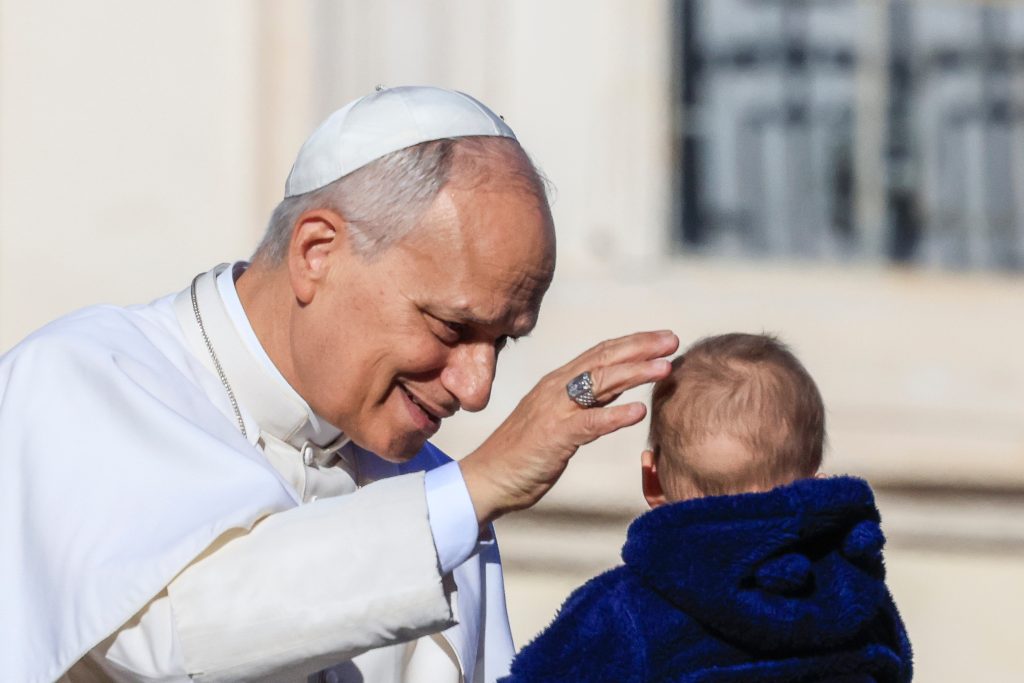
(Oregon Right to Life) — Pope Leo XIV, the head of the Roman Catholic Church and the first American to occupy the role, reaffirmed the fundamental “right to life, from conception to its natural end,” in his much-anticipated first encyclical published May 25.
Pope Leo XIV, born Robert Prevost, was elected pope on May 8, 2025. His choice of the name “Leo” – hearkening back to Pope Leo XIII, author of the influential 1891 social justice encyclical Rerum Novarum, signaled a focus on addressing unique modern social issues impacting the everyday lives of ordinary working people.
In his first encyclical, Magnifica Humanitas, Pope Leo XIV extensively discussed the implications of emerging technology on the material and spiritual welfare of humanity. In so doing, Pope Leo XIV reaffirmed the Catholic Church’s consistent recognition of the inherent dignity and value of every human life, a recognition shared by pro-life advocates of all religious and philosophical backgrounds.
“[T]he first [right] is the right to life, from conception to its natural end, without which it is impossible to exercise any other right,” the pope wrote. “When this fundamental right is denied — as in the cases of induced abortion, killing of the innocent and euthanasia — we are faced with choices that the Church considers gravely wrong.”
Pope Leo, who earlier this year affirmed that “no policy can genuinely serve the people if it denies the unborn the gift of life, or if it neglects to support those in need,” emphasized in his encyclical that human rights are “inviolable” and “inalienable,” meaning that they cannot be denied based on outside circumstances.
“Human rights are inviolable, since they are ‘inherent in the human person and in human dignity.’ Consequently, they are universal and inalienable,” Pope Leo XIV said, quoting Pope John Paul II and going on to quote Pope Paul VI. “Precisely because they are grounded in the common dignity of every man and woman, they have practical consequences and legal effects, for ‘it would be vain to proclaim human rights if, at the same time, everything were not done to ensure the duty of respecting them, respect by all, in all places and for all.’”
The language of the encyclical is a clear repudiation of claims frequently made by pro-choice advocates who argue that bodily autonomy or concerns about economic security justify abortion.
READ: Poverty, Foster Care, and Abuse – Answering Pro-Choice Arguments
“It is individuals that matter, each and every person, together with their families,” Pope Leo XIV said. “Social movements, communal ideologies and grand political proclamations in favor of a population are worthless unless they lead to the flourishing of persons — men and women — with their inalienable rights.”
Throughout the document, the pope laid out principles of Catholic thought in relation to modern technologies (Artificial Intelligence chief among them), underscoring that inviolable human rights must always be recognized and safeguarded to ensure that technological developments do not erode fundamental human dignity.